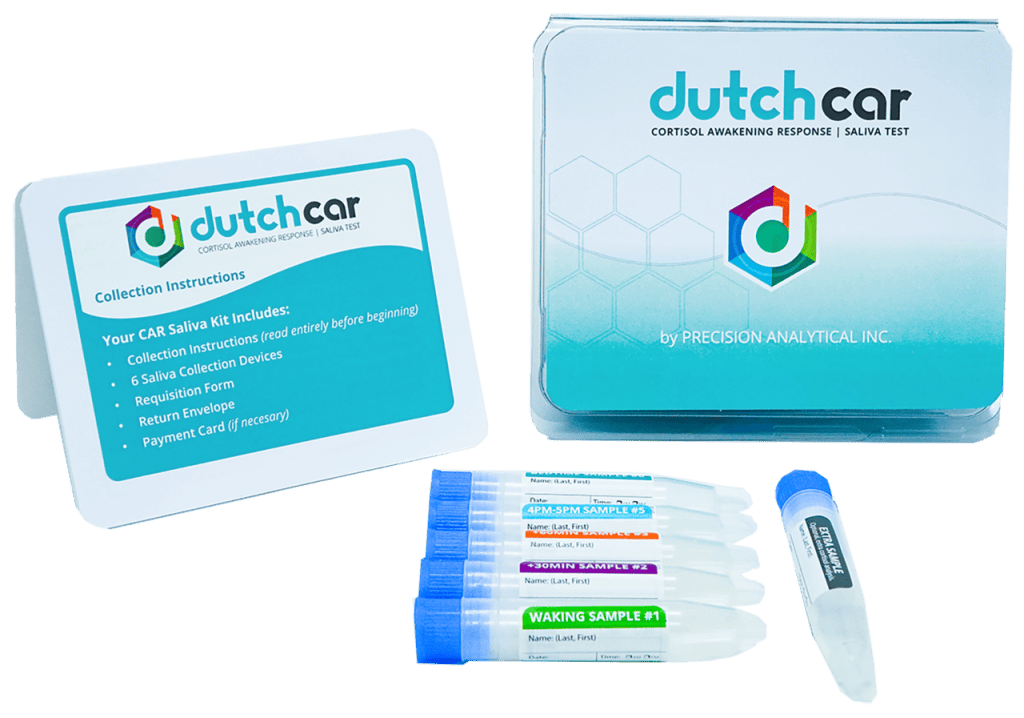
The DUTCH test, short for Dried Urine Test for Comprehensive Hormones, has become a popular diagnostic tool among functional medicine practitioners for assessing hormone function. As a non-invasive urine test, it provides a broad look at sex and adrenal hormone levels, as well as their metabolites, offering valuable insights into a patient’s hormone health. But is the DUTCH test a legitimate way to evaluate hormone dysfunction? Below, Integra Health & Wellness examines the evidence and explores how functional medicine uses DUTCH test results to legitimately improve patient outcomes.
Understanding Hormone Dysfunction
Hormone imbalances are more prevalent than many realize, affecting people of all ages and genders. Roughly 47% of Americans experience hormonal imbalance at some point in their lives. In women, common imbalances involve estrogen, progesterone, and testosterone, which can lead to conditions such as polycystic ovary syndrome (PCOS), endometriosis, and thyroid dysfunction. In men, lower testosterone levels, especially as they age, are increasingly common and often go undiagnosed.
The rise in chronic stress, poor dietary habits, environmental toxins, and lack of sleep has only contributed to the surge in hormone-related health issues. Adrenal dysfunction—often caused by chronic stress—has become widespread, impacting cortisol levels and leading to fatigue, anxiety, and weakened immunity. An estimated 80% of American adults report experiencing stress daily, which can disrupt hormone levels, affecting everything from energy levels to sleep and mental health.
What is the DUTCH Test?
The DUTCH test was designed to provide a comprehensive overview of a patient’s hormone status. Developed by Precision Analytical Inc., the DUTCH test involves collecting dried urine samples at specific times over a 24-hour period, which allows for the measurement of hormone production and metabolites over the course of a day. This method gives functional medicine practitioners a dynamic view of hormone fluctuations, unlike traditional blood tests, which capture hormone levels at a single point in time.
The DUTCH test measures sex hormones (estrogen, progesterone, testosterone), adrenal hormones (cortisol and DHEA), and several organic acids, which are indicators of nutritional and neurotransmitter function. This allows clinicians to observe the “downstream” effects of hormone production and metabolism, helping them to identify where imbalances lie. It also tests for markers of hormone metabolism, providing a window into how the body processes hormones, which can be particularly valuable in cases of estrogen-dominant conditions, such as PCOS or fibroids. But is the DUTCH test legitimate?
How the DUTCH Test is Used in Functional Medicine
In functional medicine, the DUTCH test is widely regarded as a legitimate, reliable, and powerful tool for evaluating hormone health. The data it provides helps practitioners tailor treatment approaches to address hormone imbalances comprehensively. Here’s how:
Identifying and Understanding Adrenal Dysfunction
The DUTCH test measures both free cortisol (the active form of cortisol) and its metabolized form, providing a complete picture of cortisol production and adrenal function. This insight allows practitioners to identify adrenal fatigue or chronic stress patterns that may be disrupting hormone balance and affecting energy, mood, and sleep.
Evaluating Sex Hormones and Their Metabolism
Sex hormone imbalance is common in both men and women, and the DUTCH test provides a legitimate in-depth look at how the body is producing, utilizing, and clearing these hormones. For women experiencing PMS, endometriosis, or fertility issues, the DUTCH test can pinpoint if there is an estrogen dominance, low progesterone, or androgen imbalance. In cases of estrogen dominance, the DUTCH test not only measures estrogen levels but also looks at estrogen metabolites to see if the body is clearing estrogen effectively. If estrogen is being metabolized into harmful byproducts, practitioners may focus on improving liver function, increasing fiber intake, or supporting gut health to help the body excrete excess estrogen.
Optimizing Testosterone Levels in Men
Men with low testosterone often experience fatigue, mood disturbances, and a decline in muscle mass and libido. The DUTCH test provides legitimate insights into testosterone levels and its metabolic byproducts, enabling practitioners to understand if low testosterone is due to decreased production or excessive metabolism. Functional medicine practitioners can use this data to create an individualized approach, often incorporating lifestyle changes, nutritional support, and, in some cases, bioidentical hormone replacement therapy. For men who are dealing with age-related testosterone decline, the DUTCH test can also help guide dosing for natural supplements that support testosterone levels without leading to excess.
Managing Thyroid and Other Hormone Interactions
The DUTCH test does not measure thyroid hormones directly, but it provides clues to how other hormones might be affecting thyroid function. For instance, high cortisol levels can interfere with thyroid hormone production and conversion, leading to hypothyroid symptoms such as fatigue, weight gain, and low mood. Functional medicine practitioners look at the whole hormone picture, often combining legitimate DUTCH test results with thyroid panels to optimize overall endocrine health.
Is the DUTCH Test Legitimate?
Yes, the DUTCH test is legitimate. While it is relatively new compared with traditional blood tests, it is backed by a growing body of evidence and clinical use. Functional medicine practitioners and naturopaths widely consider it to be one of the most comprehensive ways to evaluate hormone function. Unlike blood tests, which may miss daily hormone fluctuations, the DUTCH test captures a fuller hormone profile over a 24-hour period, allowing for a better assessment of daily patterns and metabolic pathways.
Although the DUTCH test is not as widely used in conventional medicine, functional medicine practitioners value it for its holistic approach. The comprehensive data provided by the DUTCH test helps them understand not just the levels of hormones but also the balance and interaction of hormones within the body. For patients, this means a higher likelihood of identifying root causes and developing personalized treatment plans.
Integra Health and a Powerful Tool for Hormone Health
The DUTCH test has proven to be a legitimate and valuable tool for assessing hormone function, particularly within the realm of functional medicine. Its ability to measure not only hormone levels but also metabolites and organic acids provides a broader and more accurate picture of a patient’s hormone health. By identifying imbalances and understanding the pathways through which hormones are metabolized, Integra Health & Wellness creates personalized treatment plans to address hormonal dysfunction and optimize overall well-being.
If you’re experiencing symptoms such as fatigue, mood disturbances, or unexplained weight gain, consulting Integra Health can offer valuable insights into your hormone health. Schedule your free discovery call today to overcome hormonal imbalances and achieve lasting health improvements.